

If you are planning to start a business or already have, knowing the details of credit and debit card processing can be very useful.
Discover everything you need to know about this key aspect of electronic payments!
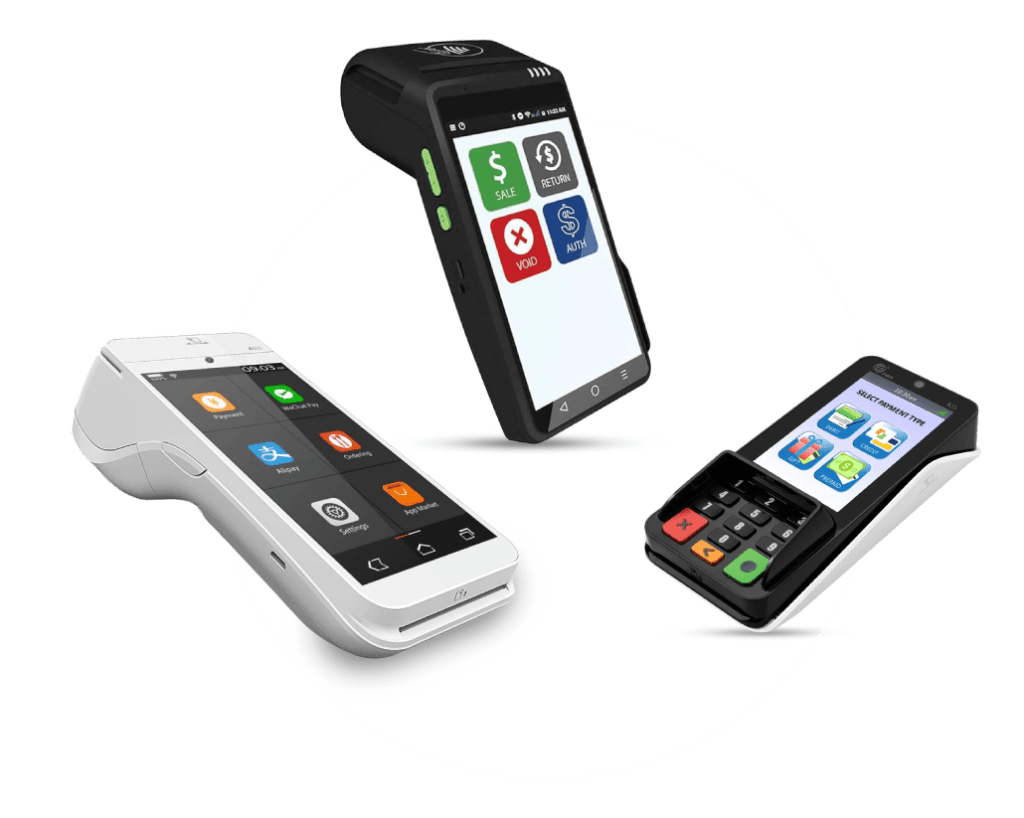
We offer various processing solutions, whether with semi-integrated or stand-alone systems, tailored to the specific needs of your business.





For those who use interchange-plus rates or continually incur incidental monthly fees, it can be difficult to determine their exact credit card processing cost. So, rather than directly multiplying your total sales and number of transactions by a flat rate, you can use the effective rate to get an idea of what you are paying (and whether it is too much).
The effective rate represents the actual rate you pay for each transaction, taking into account all transaction, monthly and interchange fees, as well as incidental fees and margins based on your actual sales volume. You can use it regardless of the pricing structure you use, and it is the most accurate way to measure your actual monthly credit card processing fees.
A payment processor is a service provider that handles all the tasks needed to ensure the transfer of payments. It includes one or more means of capturing payment information, such as credit cards, bank transfers (ACH) and digital wallets.
A credit card processor refers specifically to payment processors that allow merchants to accept credit and debit card transactions. Almost all payment processors offer this service, so the terms are often used interchangeably.
To understand how payment processing works, we need to talk about three steps: authentication of the account data, authorization of the payment and settlement of the transaction. It is also useful to know the entities or players involved:
Although they occur almost simultaneously and behind the scenes, payment authentication and authorization are two distinct steps at the start of the transaction.
Payment authentication is the process of verifying the customer's account. When the card payment is swiped at the terminal or entered online, the data, such as the customer's name and card number, is sent to the merchant's acquiring bank. The merchant's bank then sends this data to the customer's card-issuing bank to verify that the data is correct and thus prevent fraudulent transactions.
Credit card authorization is the process of approving or declining the transaction, which occurs almost instantly at the point of sale. Once the account has been authenticated, the customer's card-issuing bank approves or declines the transaction, which is relayed to the merchant's acquiring bank and, finally, to the merchant.
You will then see "Authorized" or "Declined" at the point of sale. If the transaction is approved, the merchant will receive an authorization number.
At this point, the merchant's POS or payment terminal can begin the process of batching and submitting the approved transactions for payment.
The settlement process is when the merchant receives the payment. Many merchant services process transactions automatically, but depending on your processor, you may have to manually process and settle the transactions at each terminal at the end of the day. In any case, you should monitor all your statements to make sure there are no pending authorized payments.
At a minimum, your business should be prepared to accept traditional magnetic stripe cards, EMV chip cards and electronic wallets. You should also consider whether you need to accept payments on the go, online or by phone. Depending on your customer base, you may also consider accepting secure check payments.
Regardless of the provider you choose, when you accept debit and credit cards as a form of payment, you are always charged a processing fee. The amount you are charged for payment processing will vary depending on the payment company you choose to use. To date, the average cost of payment processing in the U.S. for businesses with annual revenue between $100,000 and $250,000 ranges from 2.87% to 4.35% per transaction. Bank-owned payment processors tend to be at the high end, while most third-party payment processors offer lower per-transaction rates.
However, although these payment processing rates may vary from one provider to another, they are all based on existing rates, called interchange rates, which are charged directly by the associated card companies, such as Visa and Mastercard, for businesses to accept their cards.
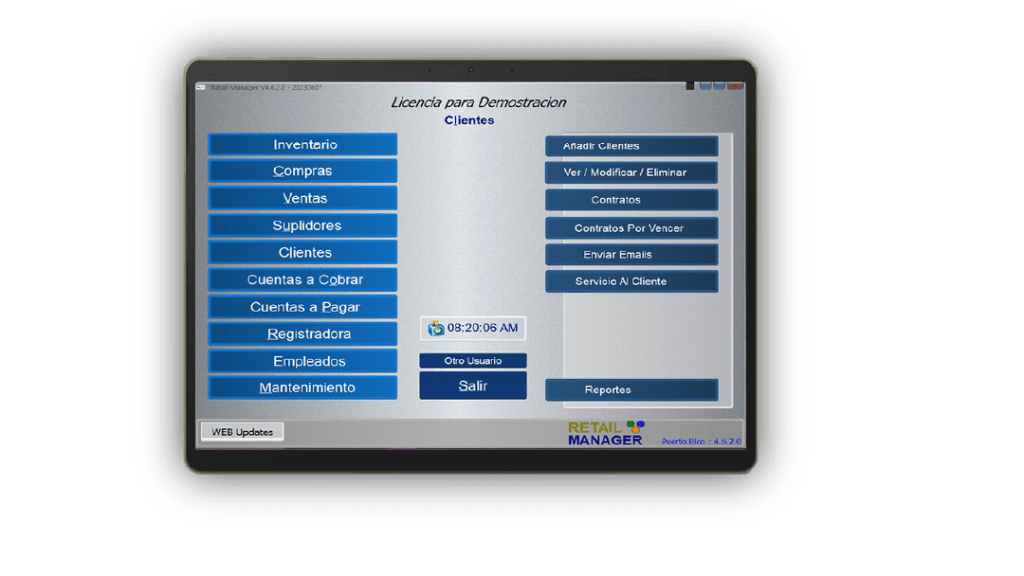
Understanding how interchange rates work can be complicated, so Retail Manager simplifies pricing for businesses that want to accept a variety of payments through three simple models to choose from. This allows businesses to access the lowest cost without complicated fees and helps businesses avoid paying more than necessary in payment processing costs.